Linking plant-animal interactions to ecosystem regeneration
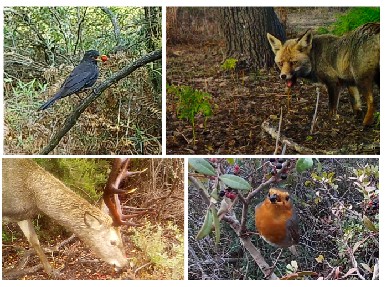
Many plants depend on animals for their dispersal and regeneration, making plant–animal interactions a key driver of biodiversity and ecosystem functioning. Understanding the mechanisms underlying species interaction patterns and identifying the species that contribute most to these ecological processes is crucial for predicting how ecosystems will respond to environmental change and for supporting conservation and restoration efforts.
We propose a Bachelor’s or Master’s project that investigates how plant–animal interactions influence key ecosystem functions such as seed dispersal and vegetation regeneration—processes that are vital for maintaining biodiversity and recovering degraded ecosystems. The student may choose to approach this question through fieldwork and modelling, for example by sampling vegetation in a natural areas to describe community composition and traits, and then linking these data with existing information on local animals to infer potential interactions using ecological network models. Alternatively, the project could take the form of a literature-based study, where the student reviews published information on plant–herbivore interactions across Europe to build a dataset of which plants are consumed and dispersed by different animals. In both cases, the focus will be on moving beyond simple species lists to understand how interactions sustain biodiversity and ecosystem functioning. The project can therefore be adapted to the student’s interests, whether leaning more towards field ecology and modelling or towards systematic review and data synthesis, while keeping the central question: which species, through their interactions, play key roles in maintaining ecosystem processes?
Contact:
You will work with Eva Moracho ([email protected]) under the supervision of Jens-Christian Svenning ([email protected]). If you are interested or have any questions regarding the potential project, please contact Eva Moracho and cc Jens-Christian Svenning in the email.
The project proposal has been submitted 22.09.2025